Buy mobilesolution.eu ?
We are moving the project
mobilesolution.eu .
Are you interested in purchasing the domain
mobilesolution.eu ?
domain@kv-gmbh.de · 0541-91531010
Buy mobilesolution.eu ?
What changes in social security in 2020?
In 2020, there were several changes to social security. Some of the key changes include: 1. Cost of Living Adjustment (COLA): Social Security beneficiaries received a 1.6% COLA increase in their monthly benefits in 2020. 2. Earnings limits for working beneficiaries: The earnings limit for individuals who are collecting Social Security benefits before reaching full retirement age increased to $18,240 in 2020. For those reaching full retirement age in 2020, the earnings limit was $48,600. 3. Full retirement age: The full retirement age for those born in 1958 increased to 66 years and 8 months in 2020. 4. Maximum benefits: The maximum monthly Social Security benefit for those retiring at full retirement age in 2020 was $3,011. These changes were implemented to adjust for inflation and other factors affecting the Social Security program. **
Can economic efficiency and productivity develop mutually?
Yes, economic efficiency and productivity can develop mutually. When businesses and industries become more efficient in their operations, they can produce more output with the same amount of input, leading to increased productivity. Similarly, when productivity increases, it can drive economic efficiency by reducing waste and improving resource allocation. Therefore, as businesses and industries focus on improving efficiency and productivity, they can reinforce and support each other's development. **
Similar search terms for 2020
Top-Angebote
Products related to 2020:
-
Barolo Prunotto 2020The Barolo signed by the Prunotto winery is a muscular red from Piemonte, which immediately announces itself as rich in aromas and broad sensations. The Nebbiolo, a grape variety used in purity to give life to this important Italian denomination, expresses itself with typical floral and fruity notes, capable of evolving with character and personality in the coming years. Yes, because this label, among its many qualities, also has the ability to be forgotten in the cellar for the next decades, to be tasted in a more complex version. This Barolo from Prunotto is born from an indigenous red grape that, within the Langhe of Piemonte, reaches memorable qualitative peaks, the Nebbiolo. The grapes of this variety are cultivated in the area of Monforte, Castiglione Falletto, and Serralunga, in vineyards characterized by a subsoil composed of Sant’Agata marls. Once in the facilities designated for winemaking, the grapes are destemmed, then fermented in steel containers, macerating for 10 days at a maximum temperature of 30 degrees, also undergoing malolactic fermentation. We then proceed with the phase of aging, which initially develops for 24 months in barrels of different capacities, and then, after bottling, for another 12 months directly in glass. The Barolo branded Prunotto reveals itself to the eye with a very intense color, reminiscent of garnet. The nose is very satisfying, orchestrated on engaging notes where flowers and fruit take center stage, also aided by light spicy nuances. On the palate, it has excellent body, clarity, with a energetic and vigorous sip, at times austere due to the evident tannic structure; it finishes with a persistent finale, characterized by a slightly bitter aftertaste. A great red from Piemonte, the result of the excellent work done by the Prunotto team, a winery owned by one of the most important families in Italian wine, the Antinori, which confirms itself as one of the reference realities in the entire Piemonte wine scene.45,00 £*Shipping: 48,00 £Secure redirect to the provider
-
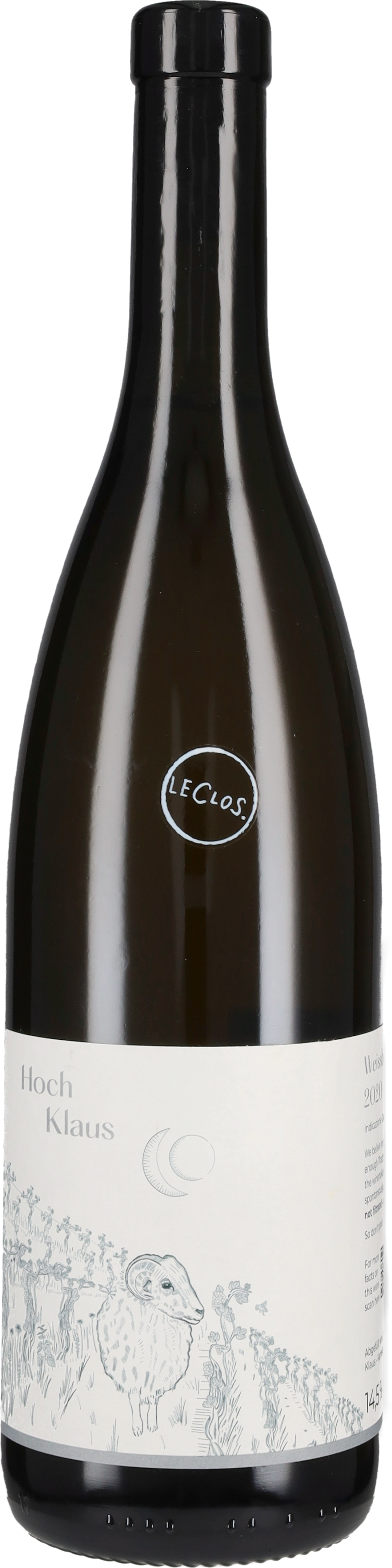
'Garnellen' Tropfltalhof 2020Tröpfltalhof's White "Garnellen" comes from the skilled hands of Andres Dichristin, a wine artisan who works 3 hectares of his land entirely planted with vines near Lake Kaltern, a place with a vocation for producing wine with authentic and traditional flavours. Andreas can be considered a vanguardist since he was among the first brave ones to adopt some 20 years ago the principles of biodynamic agriculture when it was still unknown. His work revolves entirely around respect for nature: only by observing the natural phases of plant growth and development can we understand the ideal harmonious balance for wines of sublime quality. Furthermore, his activity can be defined as closed-cycle since it also includes raising and grazing animals and cultivating spelt and corn. The grapes of Tröpfltalhof's White "Garnellen" grow on vines of different ages, ranging from 18 to 32 years. The vineyard is located at about 500 meters above sea level, and the soil is mainly composed of skeleton mixed with volcanic porphyry and limestone for a final product with a structured character; the surrounding ecosystem is also particular, thriving and dense thanks to the biodynamic work carried out, a condition that benefits the clusters, giving aromatic intensity. The grapes are harvested manually in late autumn when the berries have reached a golden yellow colour and full flavour; in the cellar, the must ferments spontaneously in terracotta amphorae. The skins and wine are separated in the spring following the harvest; the latter returns to the amphora on the noble lees for several months. To the eye, Tröpfltalhof's "Garnellen" appears deep golden yellow. The bouquet of aromas is broad and reminiscent of passion fruit, citrus and ripe yellow-fleshed fruit with important spicy notes of ginger, white pepper, citrus (grapefruit above all) and herbs. On the palate, it is full-bodied, enveloping and juicy with long final persistence that draws the drinker in, thanks in part to the final freshness and savoriness that give balance to the overall structure. It is recommended to pair it with rich fish soups, stewed white meats and cured meats; also interesting with seasonal vegetable dishes and spicy foods. A product to share with lifelong friends, enjoying in the glass a wine that is the result of careful work that respects nature and the gifts it offers every day.67,00 £*Shipping: 48,00 £Secure redirect to the provider
-
'Scarpetta' L'Acino 2020”Scarpetta" from the winery L'Acino is an intense and Mediterranean red from Calabria, which well represents the tradition and characteristics of its territory of origin. It is made with Nero d’Avola grapes, known locally as Calabrese, a term that derives from an ancient dialectal deformation of the Sicilian expression Calaulisi, meaning grape from Avola. This is a wine with a typically artisanal profile that encompasses all the best varietal qualities of this great Sicilian grape. The aging in wood allows the Nero d’Avola to complete its fruity bouquet with more complex and articulated tertiary aromas, making the taste particularly multifaceted. The wine "Scarpetta" is the result of a small reality born from the passion of three friends, driven by the desire to make known and enhance the ancient wine tradition of Calabria. The estate L’Acino is located in the hinterland of Paola, north of Cosenza, and cultivates 11 hectares with the classic varieties of the territory. The vineyards are managed following the principles of biodynamics, to preserve the environment intact and to insert every phase of production within a framework of harmony with nature and its rhythms. The area of San Marco Argentano has a microclimate particularly suited to the vine. It can enjoy the freshness of the Apennine reliefs and at the same time the mild breezes of the nearby Tyrrhenian Sea. The grapes mature gradually, accumulating intense aromatic compounds. The work in the winery is limited to preserving the characteristics of the grapes, trying to intervene as little as possible from an enological point of view, to maintain a genuine territorial authenticity.The red "Scarpetta" from the Calabrian winery L'Acino is a wine produced from a fermentation conducted using only indigenous yeasts. The wine rests for 6 months in chestnut barrels, which give the Nero d’Avola an evolved and austere profile. The wine is then bottled with a minimal use of sulfites. In the glass, it presents a ruby red color with purple reflections. The olfactory profile is characterized by aromas of cherry, blackberry, ripe berries, notes of13,00 £*Shipping: 48,00 £Secure redirect to the provider
-
Neromaccarj Gulfi 2020The renowned Sicilian wine estate Gulfi introduces the ‘NeroMàccarj’, an interpretation of Nero d’Avola with a complex and deep soul, of great intensity. This label is part of the quadrilogy of prominent Nero d’Avola wines from the winery, along with ‘NeroBufaleffj’, ‘NeroBaronj’, and ‘NeroSanlorè’, of which the ‘NeroMàccarj’ is usually one of the most balanced. In any case, regardless of the label, Gulfi’s Nero d’Avola expresses the highest quality levels of this important indigenous variety of Sicily. The ‘NeroMàccarj’ from Gulfi comes from only Nero d’Avola grapes from the Maccari vineyard, a plot of about 3 hectares planted on clay-limestone soils within the municipality of Pachino, in the Val di Noto. The vines, trained as bush vines according to the principles of certified organic farming, are over 30 years old and naturally provide low yields of grapes. In the winery, the bunches are carefully selected and then subjected to the operation of destemming, followed by alcoholic fermentation in stainless steel tanks with prolonged maceration on the skins. Once the fermentation process is complete, we proceed with the aging of 24 months in oak tonneaux and after a further year of refinement in the bottle, the wine is finally ready for market release. In the glass, the Nero d’Avola ‘NeroMàccarj’ from the Gulfi estate exhibits an intense ruby red color. The complex olfactory panorama is defined by typical hints of Mediterranean herbs, cherry, jammy fruit, red flowers, and eucalyptus, enriched by broad spicy notes of vanilla and chocolate. The sip, powerful and decisive, maintains its balance, managing to combine richness of flesh and fruit ripeness in a blend of great enveloping, supported by a dense and well-integrated tannic structure.34,00 £*Shipping: 48,00 £Secure redirect to the provider


-
What would the year 2020 look like without wireless communication?
Without wireless communication in 2020, the world would have faced significant challenges in staying connected during the global pandemic. Remote work, virtual learning, and telemedicine would have been severely impacted, leading to disruptions in daily life. Social interactions, entertainment, and access to information would have been limited without the convenience of wireless communication. Overall, the lack of wireless technology would have hindered progress and innovation in various sectors, highlighting the importance of connectivity in today's digital age. **
-
How would the year 2020 look like without wireless communication?
Without wireless communication in 2020, the world would have faced significant challenges in staying connected and accessing information. With the COVID-19 pandemic, wireless communication has been crucial for remote work, online education, and telemedicine. Without it, many businesses, schools, and healthcare providers would have struggled to operate effectively. Additionally, without wireless communication, people would have had limited access to news, entertainment, and social connections, making the year even more isolating and difficult. **
-
Is the iPad Pro 2020 suitable for studying communication design?
Yes, the iPad Pro 2020 is suitable for studying communication design. Its large, high-resolution display and powerful processor make it ideal for creating and editing visual content. The Apple Pencil and various design apps available on the iPad Pro also make it a versatile tool for sketching, drawing, and designing. Additionally, its portability and long battery life make it convenient for studying and working on design projects on the go. **
-
What is the difference between efficiency and productivity?
Efficiency refers to how well resources are utilized to achieve a specific goal or output, while productivity measures the output or results generated from a specific amount of input or resources. Efficiency focuses on minimizing waste and maximizing output with the resources available, while productivity is a measure of how much output is produced relative to the input used. In essence, efficiency is about doing things right, while productivity is about doing the right things. **

What are the connections between efficiency and productivity?
Efficiency and productivity are closely connected in that efficiency refers to the ability to accomplish a task with minimal waste, effort, or cost, while productivity refers to the rate at which goods or services are produced. When a process or system is efficient, it can lead to increased productivity because it allows for more output to be generated with the same amount of input. Conversely, when productivity is high, it often indicates that the resources and processes are being used efficiently. Therefore, improving efficiency can lead to increased productivity, and vice versa, as they both contribute to the overall effectiveness of a business or organization. **
Does increasing productivity lead to higher economic efficiency?
Yes, increasing productivity can lead to higher economic efficiency. When a company or economy can produce more output with the same input of resources, it can lead to lower production costs and higher profits. This can also lead to lower prices for consumers, which can increase overall economic welfare. Additionally, higher productivity can lead to increased competitiveness in the global market, which can further contribute to economic efficiency. **
Top-Angebote
Products related to 2020:
-
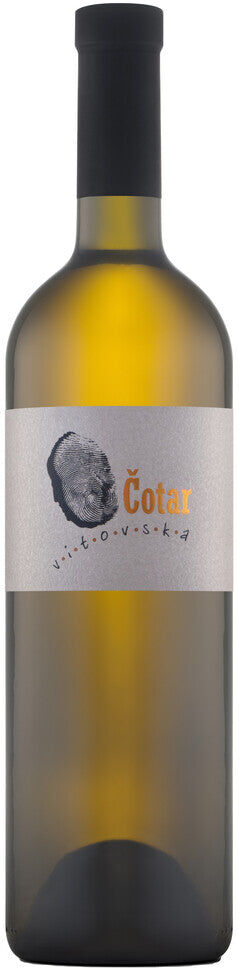
Vitovska Cotar 2020The Vitovska is a typical grape of the border between Friuli and Slovenia, rediscovered a few years for its remarkable potential. This wine, is produced in Slovenian Collio, comes from maceration on the skins for 5 days and, therefore, shows an almost coppery color and aromas definitely evolved and tertiary. For lovers of wine macerated or for those wishing to discover the virtues of the Vitovska Cotar represents a choice absolutely recommended. A wine that can impress, seduce and conquer. On the nose, hints of ripe fruit are interwoven with a scathing minerality typical of the karst area and the border with the Slovenian Collio. In the mouth, the minerality is still dominating the scene and sprinkles a truly remarkable persistence. A wine made from Cotar according to the principles of biodynamic: natural yeasts, total absence of chemicals and respect for nature and its peculiarities. A Vitovska of great value37,00 £*Shipping: 48,00 £Secure redirect to the provider
-
Barolo Prunotto 2020The Barolo signed by the Prunotto winery is a muscular red from Piemonte, which immediately announces itself as rich in aromas and broad sensations. The Nebbiolo, a grape variety used in purity to give life to this important Italian denomination, expresses itself with typical floral and fruity notes, capable of evolving with character and personality in the coming years. Yes, because this label, among its many qualities, also has the ability to be forgotten in the cellar for the next decades, to be tasted in a more complex version. This Barolo from Prunotto is born from an indigenous red grape that, within the Langhe of Piemonte, reaches memorable qualitative peaks, the Nebbiolo. The grapes of this variety are cultivated in the area of Monforte, Castiglione Falletto, and Serralunga, in vineyards characterized by a subsoil composed of Sant’Agata marls. Once in the facilities designated for winemaking, the grapes are destemmed, then fermented in steel containers, macerating for 10 days at a maximum temperature of 30 degrees, also undergoing malolactic fermentation. We then proceed with the phase of aging, which initially develops for 24 months in barrels of different capacities, and then, after bottling, for another 12 months directly in glass. The Barolo branded Prunotto reveals itself to the eye with a very intense color, reminiscent of garnet. The nose is very satisfying, orchestrated on engaging notes where flowers and fruit take center stage, also aided by light spicy nuances. On the palate, it has excellent body, clarity, with a energetic and vigorous sip, at times austere due to the evident tannic structure; it finishes with a persistent finale, characterized by a slightly bitter aftertaste. A great red from Piemonte, the result of the excellent work done by the Prunotto team, a winery owned by one of the most important families in Italian wine, the Antinori, which confirms itself as one of the reference realities in the entire Piemonte wine scene.45,00 £*Shipping: 48,00 £Secure redirect to the provider
-
'Garnellen' Tropfltalhof 2020Tröpfltalhof's White "Garnellen" comes from the skilled hands of Andres Dichristin, a wine artisan who works 3 hectares of his land entirely planted with vines near Lake Kaltern, a place with a vocation for producing wine with authentic and traditional flavours. Andreas can be considered a vanguardist since he was among the first brave ones to adopt some 20 years ago the principles of biodynamic agriculture when it was still unknown. His work revolves entirely around respect for nature: only by observing the natural phases of plant growth and development can we understand the ideal harmonious balance for wines of sublime quality. Furthermore, his activity can be defined as closed-cycle since it also includes raising and grazing animals and cultivating spelt and corn. The grapes of Tröpfltalhof's White "Garnellen" grow on vines of different ages, ranging from 18 to 32 years. The vineyard is located at about 500 meters above sea level, and the soil is mainly composed of skeleton mixed with volcanic porphyry and limestone for a final product with a structured character; the surrounding ecosystem is also particular, thriving and dense thanks to the biodynamic work carried out, a condition that benefits the clusters, giving aromatic intensity. The grapes are harvested manually in late autumn when the berries have reached a golden yellow colour and full flavour; in the cellar, the must ferments spontaneously in terracotta amphorae. The skins and wine are separated in the spring following the harvest; the latter returns to the amphora on the noble lees for several months. To the eye, Tröpfltalhof's "Garnellen" appears deep golden yellow. The bouquet of aromas is broad and reminiscent of passion fruit, citrus and ripe yellow-fleshed fruit with important spicy notes of ginger, white pepper, citrus (grapefruit above all) and herbs. On the palate, it is full-bodied, enveloping and juicy with long final persistence that draws the drinker in, thanks in part to the final freshness and savoriness that give balance to the overall structure. It is recommended to pair it with rich fish soups, stewed white meats and cured meats; also interesting with seasonal vegetable dishes and spicy foods. A product to share with lifelong friends, enjoying in the glass a wine that is the result of careful work that respects nature and the gifts it offers every day.67,00 £*Shipping: 48,00 £Secure redirect to the provider
-
What changes in social security in 2020?
In 2020, there were several changes to social security. Some of the key changes include: 1. Cost of Living Adjustment (COLA): Social Security beneficiaries received a 1.6% COLA increase in their monthly benefits in 2020. 2. Earnings limits for working beneficiaries: The earnings limit for individuals who are collecting Social Security benefits before reaching full retirement age increased to $18,240 in 2020. For those reaching full retirement age in 2020, the earnings limit was $48,600. 3. Full retirement age: The full retirement age for those born in 1958 increased to 66 years and 8 months in 2020. 4. Maximum benefits: The maximum monthly Social Security benefit for those retiring at full retirement age in 2020 was $3,011. These changes were implemented to adjust for inflation and other factors affecting the Social Security program. **
-
Can economic efficiency and productivity develop mutually?
Yes, economic efficiency and productivity can develop mutually. When businesses and industries become more efficient in their operations, they can produce more output with the same amount of input, leading to increased productivity. Similarly, when productivity increases, it can drive economic efficiency by reducing waste and improving resource allocation. Therefore, as businesses and industries focus on improving efficiency and productivity, they can reinforce and support each other's development. **
-
What would the year 2020 look like without wireless communication?
Without wireless communication in 2020, the world would have faced significant challenges in staying connected during the global pandemic. Remote work, virtual learning, and telemedicine would have been severely impacted, leading to disruptions in daily life. Social interactions, entertainment, and access to information would have been limited without the convenience of wireless communication. Overall, the lack of wireless technology would have hindered progress and innovation in various sectors, highlighting the importance of connectivity in today's digital age. **
-
How would the year 2020 look like without wireless communication?
Without wireless communication in 2020, the world would have faced significant challenges in staying connected and accessing information. With the COVID-19 pandemic, wireless communication has been crucial for remote work, online education, and telemedicine. Without it, many businesses, schools, and healthcare providers would have struggled to operate effectively. Additionally, without wireless communication, people would have had limited access to news, entertainment, and social connections, making the year even more isolating and difficult. **
Similar search terms for 2020
-
'Scarpetta' L'Acino 2020”Scarpetta" from the winery L'Acino is an intense and Mediterranean red from Calabria, which well represents the tradition and characteristics of its territory of origin. It is made with Nero d’Avola grapes, known locally as Calabrese, a term that derives from an ancient dialectal deformation of the Sicilian expression Calaulisi, meaning grape from Avola. This is a wine with a typically artisanal profile that encompasses all the best varietal qualities of this great Sicilian grape. The aging in wood allows the Nero d’Avola to complete its fruity bouquet with more complex and articulated tertiary aromas, making the taste particularly multifaceted. The wine "Scarpetta" is the result of a small reality born from the passion of three friends, driven by the desire to make known and enhance the ancient wine tradition of Calabria. The estate L’Acino is located in the hinterland of Paola, north of Cosenza, and cultivates 11 hectares with the classic varieties of the territory. The vineyards are managed following the principles of biodynamics, to preserve the environment intact and to insert every phase of production within a framework of harmony with nature and its rhythms. The area of San Marco Argentano has a microclimate particularly suited to the vine. It can enjoy the freshness of the Apennine reliefs and at the same time the mild breezes of the nearby Tyrrhenian Sea. The grapes mature gradually, accumulating intense aromatic compounds. The work in the winery is limited to preserving the characteristics of the grapes, trying to intervene as little as possible from an enological point of view, to maintain a genuine territorial authenticity.The red "Scarpetta" from the Calabrian winery L'Acino is a wine produced from a fermentation conducted using only indigenous yeasts. The wine rests for 6 months in chestnut barrels, which give the Nero d’Avola an evolved and austere profile. The wine is then bottled with a minimal use of sulfites. In the glass, it presents a ruby red color with purple reflections. The olfactory profile is characterized by aromas of cherry, blackberry, ripe berries, notes of13,00 £*Shipping: 48,00 £Secure redirect to the provider
-
Neromaccarj Gulfi 2020The renowned Sicilian wine estate Gulfi introduces the ‘NeroMàccarj’, an interpretation of Nero d’Avola with a complex and deep soul, of great intensity. This label is part of the quadrilogy of prominent Nero d’Avola wines from the winery, along with ‘NeroBufaleffj’, ‘NeroBaronj’, and ‘NeroSanlorè’, of which the ‘NeroMàccarj’ is usually one of the most balanced. In any case, regardless of the label, Gulfi’s Nero d’Avola expresses the highest quality levels of this important indigenous variety of Sicily. The ‘NeroMàccarj’ from Gulfi comes from only Nero d’Avola grapes from the Maccari vineyard, a plot of about 3 hectares planted on clay-limestone soils within the municipality of Pachino, in the Val di Noto. The vines, trained as bush vines according to the principles of certified organic farming, are over 30 years old and naturally provide low yields of grapes. In the winery, the bunches are carefully selected and then subjected to the operation of destemming, followed by alcoholic fermentation in stainless steel tanks with prolonged maceration on the skins. Once the fermentation process is complete, we proceed with the aging of 24 months in oak tonneaux and after a further year of refinement in the bottle, the wine is finally ready for market release. In the glass, the Nero d’Avola ‘NeroMàccarj’ from the Gulfi estate exhibits an intense ruby red color. The complex olfactory panorama is defined by typical hints of Mediterranean herbs, cherry, jammy fruit, red flowers, and eucalyptus, enriched by broad spicy notes of vanilla and chocolate. The sip, powerful and decisive, maintains its balance, managing to combine richness of flesh and fruit ripeness in a blend of great enveloping, supported by a dense and well-integrated tannic structure.34,00 £*Shipping: 48,00 £Secure redirect to the provider
-
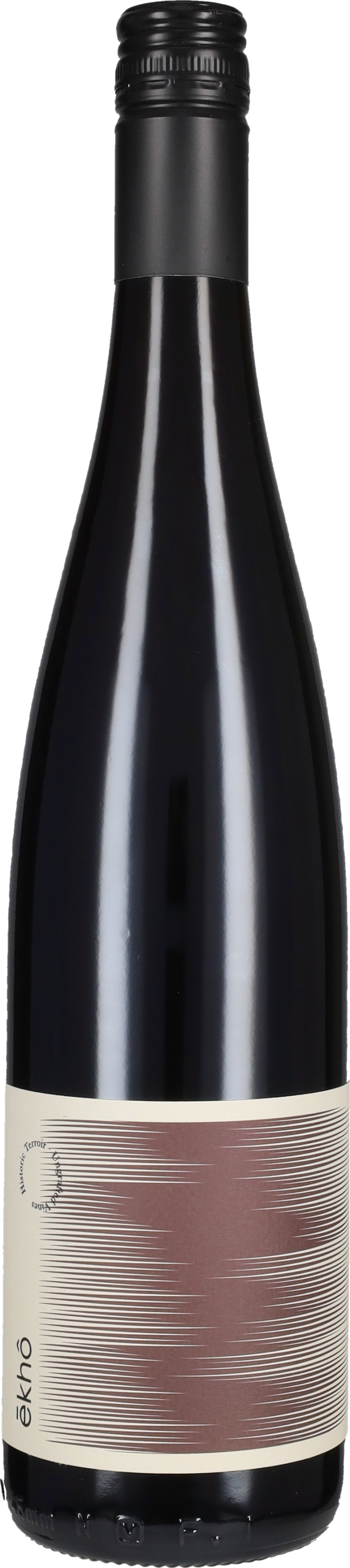
Red Ekho 2020The Ekho Red represents adynamic and spicy interpretation of a single old vineyard located on the island of Lemnos in the North Aegean Sea. The Greek oenologist Lefteris Anagnostou, the soul of the Ekho project, is committed to the recovery and valorisation of old vineyards scattered in historic wine-growing areas of Greece, thus emphasising indigenous varieties and ancient oenological traditions. In this particular case, Ekho Red is a pure expression of the Limnio grape, an indigenous grape from the island of Limnos that can boast a history stretching back thousands of years, being mentioned by illustrious ancient Greek personalities such as the philosopher Aristotle and the poet Homer.Ekho Rosso is a 100% Limnio from vines over 80 years old grown on the island of Limnos on sandy soils of volcanic origin. Following the harvest, which is carried out entirely by hand, the grapes are mellowed in stainless steel tanks, where alcoholic fermentation takes place spontaneously through the action of indigenous yeasts alone, combined with a variable period of maceration on the skins. Once the fermentation process is complete, 60% of the mass is decanted into third-passage 300-litre wooden barrels and the remaining 40% into steel, containers in which the 20-month ageing phase takes place. The final release on the market takes place not before a further adequate rest in the bottle, with a total production of just 580 examples.In the glass, the Rosso Ekho exhibits a luminous ruby red mantle. The olfactory panorama is described by fruity hints of pomegranate and cherry that blend with aromas of ripe tomato and spicy hints of black pepper and nutmeg. Taste development of good structure and juicy freshness, endowed with a fine tannic texture that accompanies the dynamic and tasty closure, with considerable momentum.36,00 £*Shipping: 48,00 £Secure redirect to the provider
-
White Halarà 2020The Bianco from the artisanal project Halarà represents an interpretation of Catarratto with an energetic and saline taste, son of the Marsala territory. In this area on the western tip of Sicily, Catarratto is one of the most important varieties, appreciated for its ability to maintain a certain level of acidity even in the hottest years. It is one of the oldest vines on the entire island, skilfully enhanced by the team of artisanal vine growers involved in the Halarà project, whose aim with this dry oxidative-style version is to recover the ancient traditions of the Marsala area.Halarà Bianco is a 100% Catarratto from vines about 40 years old planted on clayey-calcareous soils with northern exposure. The vines, bush-trained using practices highly respectful of the environment, are located in the Abbadessa district, inland from Marsala. The grapes are harvested entirely by hand and in the cellar the bunches undergo a slow pressing, aimed at partial oxidation of the must. This is followed by spontaneous alcoholic fermentation in stainless steel tanks and then maturation for several months on the fine lees, partly in chestnut wood barrels and partly again in steel. The final release takes place no earlier than a further long resting period in the bottle.Halarà's Catarratto Bianco has an intense golden yellow hue. The deep aromatic context highlights hints of ripe apple, peach in syrup, thyme, almond and dried jasmine, enriched by hints of honey and flint and oxidative tones reminiscent of walnut. On the palate it stands out for its citrus freshness and strong savoury timbre, elements that contribute to the energetic tension of the progression anticipating the complex and persistent finish.35,00 £*Shipping: 48,00 £Secure redirect to the provider
-
Is the iPad Pro 2020 suitable for studying communication design?
Yes, the iPad Pro 2020 is suitable for studying communication design. Its large, high-resolution display and powerful processor make it ideal for creating and editing visual content. The Apple Pencil and various design apps available on the iPad Pro also make it a versatile tool for sketching, drawing, and designing. Additionally, its portability and long battery life make it convenient for studying and working on design projects on the go. **
-
What is the difference between efficiency and productivity?
Efficiency refers to how well resources are utilized to achieve a specific goal or output, while productivity measures the output or results generated from a specific amount of input or resources. Efficiency focuses on minimizing waste and maximizing output with the resources available, while productivity is a measure of how much output is produced relative to the input used. In essence, efficiency is about doing things right, while productivity is about doing the right things. **
-
What are the connections between efficiency and productivity?
Efficiency and productivity are closely connected in that efficiency refers to the ability to accomplish a task with minimal waste, effort, or cost, while productivity refers to the rate at which goods or services are produced. When a process or system is efficient, it can lead to increased productivity because it allows for more output to be generated with the same amount of input. Conversely, when productivity is high, it often indicates that the resources and processes are being used efficiently. Therefore, improving efficiency can lead to increased productivity, and vice versa, as they both contribute to the overall effectiveness of a business or organization. **
-
Does increasing productivity lead to higher economic efficiency?
Yes, increasing productivity can lead to higher economic efficiency. When a company or economy can produce more output with the same input of resources, it can lead to lower production costs and higher profits. This can also lead to lower prices for consumers, which can increase overall economic welfare. Additionally, higher productivity can lead to increased competitiveness in the global market, which can further contribute to economic efficiency. **
* All prices are inclusive of VAT and, if applicable, plus shipping costs. The offer information is based on the details provided by the respective shop and is updated through automated processes. Real-time updates do not occur, so deviations can occur in individual cases. ** Note: Parts of this content were created by AI.